

Most people ask about September flowering with a specific worry underneath the question. Their garden looks tired, the peonies are long gone, and they wonder if they’ve simply run out of season.
They haven’t. September is one of the most misunderstood months in gardening part of it is about what’s blooming right now, and part of it is about planting quietly for a payoff you won’t see until spring. Untangling those two ideas is really the whole trick.
This guide splits September flowering into what it actually is: a month of two jobs, not one list of plants.
Is It Too Late to Plant Flowers in September?
No, and for a surprising number of plants, September is actually the better window than spring. Cooler air combined with soil that’s still warm from summer gives roots a head start before winter dormancy sets in.
The honest caveat: it depends heavily on your USDA hardiness zone and your first frost date. A gardener in zone 8 has weeks more runway than someone in zone 4, so “September” behaves like a different season depending on where you live.
As a rule of thumb, if you’re planting spring-blooming bulbs like daffodils or crocus, you have until the ground freezes. If you’re direct-sowing hardy annual seed, aim for four to six weeks before your average first frost.
What’s Actually Blooming in September Right Now
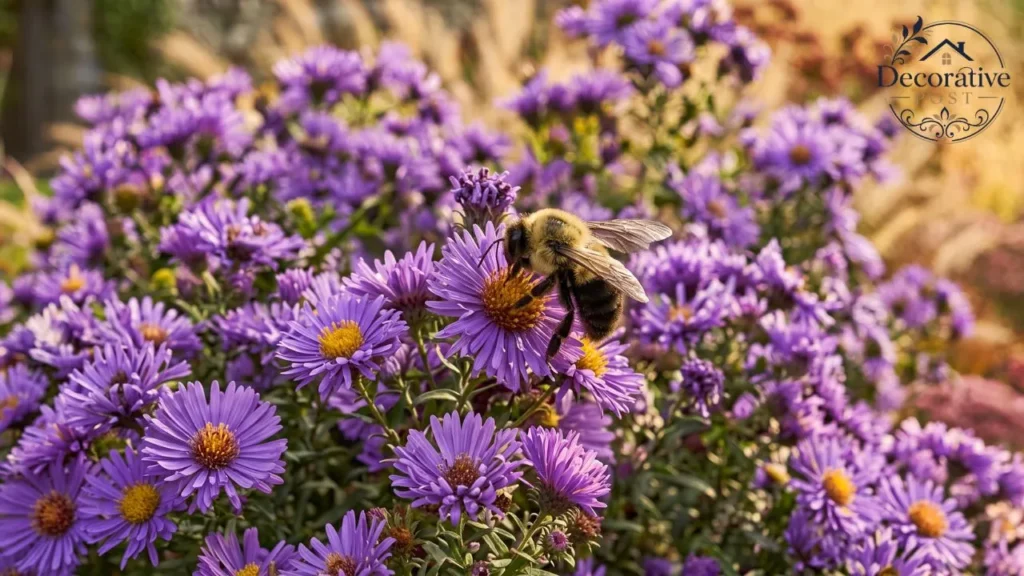
This is the half of the topic most articles skip past too fast. Plenty of plants are in peak or near-peak bloom this month with zero planting required they just need the right care to keep going.
New England asters are one of the clearest signals of the season, producing daisy-like purple and pink blooms right as everything else starts to fade. They’re a genuine pollinator magnet in the last weeks before frost.
Chrysanthemums (garden mums) are the plant most people already associate with fall, but they’re technically perennial in many zones if you skip cutting them back too early and let the foliage protect the crown over winter.
Sedum, especially the variety ‘Autumn Joy,’ shifts from pale pink to a deep rust color as September progresses, one of the few plants that gets more interesting the longer you leave it alone.
Black-eyed Susan (Rudbeckia) and Japanese anemone both extend the summer garden’s color into fall with almost no extra effort, and goldenrod, despite its reputation, is not the allergy culprit ragweed is and deserves more space in home gardens.
If your beds already have these in the ground, the actual task this month is deadheading spent blooms to encourage a few more weeks of flowers before the weather turns.
What to Plant in September for Next Year’s Blooms
This is the forward-looking half of September flowering, and it’s where most of the “too late?” anxiety actually resolves. Spring bulbs are the clearest example: daffodils, crocus, and hardy geranium all benefit from going into the ground now.
Planting bulbs in September to early October lets the root system establish before the soil freezes, which is exactly what produces the strong, early spring show people picture when they think of a well-planned garden.
For seed-grown perennials like coneflower (Echinacea), a period of cold exposure over winter actually improves germination rates come spring this is called cold stratification, and it happens naturally if you sow outdoors now.
Hardy annuals such as cornflower and calendula can also go in this month in many zones, giving you a head start on next year’s cutting garden rather than waiting until spring to sow from scratch.
A Simple Zone-by-Zone Way to Think About It
Instead of memorizing which plant suits which zone, it helps to think in three broad bands.
Zones 3–5 (cold winters, early frost): September is closing-out season. Focus almost entirely on bulb planting and light deadheading; skip new seed-sowing unless it’s specifically cold-hardy.
Zones 6–7 (moderate, mid-fall frost): This is the sweet spot. You can both plant bulbs and sow a good number of hardy annuals, while asters, mums, and sedum are still in active bloom.
Zones 8–9 (mild, late, or no hard frost): September behaves more like a second spring. Camellias, tea olive, and reblooming shrubs stay active much longer, and planting windows stretch well into October or November.
Common September Flowering Problems (and Fixes)
Powdery mildew on asters and phlox tends to show up as September humidity lingers, improving airflow by thinning crowded stems rather than reaching for a spray first.
Leggy, flopped-over stems on tall perennials like Rudbeckia are usually a sun or spacing issue from earlier in the season; a simple stake now prevents snapped stems in fall wind.
Gnats in container plants are extremely common this time of year because cooler nights mean less evaporation, keeping soil damp for longer, letting the top inch of soil dry fully between waterings, and solving most cases without pesticide.
If mums or asters stop flowering early, check for root-bound containers; a plant that’s spent all season in a pot that’s too small often runs out of energy before frost even arrives.
Bringing September Blooms Indoors and Onto the Porch
This is the part almost no gardening article connects, and it’s where September flowering stops being a chore and starts being decor. Cut asters, sedum, and a few stems of ornamental grass make an effortless, current-season arrangement for an entry table.
If you’re refreshing your front entrance for fall, September bloomers pair naturally with pumpkins and gourds in porch containers. See our front porch fall styling ideas for layout inspiration that works with real, living plants.
For anyone who wants color without the maintenance, faux stems have come a long way and blend convincingly with real September blooms in mixed arrangements. Our guide to realistic faux flowers covers exactly which types photograph best.
A low bowl of sedum, mum heads, and a few dried grass stems also make one of the simplest fall table centerpieces you can put together in ten minutes. More ideas are in our table centerpiece guide.
If your entryway styling extends into your living space, our front door and entryway combo ideas show how to carry the same seasonal color from porch to interior.
A Simple September Garden Checklist
- Deadhead asters, mums, and Rudbeckia to extend bloom time.
- Plant spring bulbs (daffodils, crocus) before the ground freezes.
- Direct-sow hardy annual seed if you’re in zone 6 or warmer.
- Check containers for root-bound plants and gnats in overly damp soil; our natural gnat-control guide covers safe, non-chemical fixes.
- Stake tall or leggy stems before fall winds arrive.
- Cut a few stems for an indoor arrangement instead of letting them go to waste before frost.
If hydrangeas are part of your late-summer border, they’re notoriously prone to wilting the moment temperatures swing in September. Our hydrangea wilting guide walks through the fix, and if you’re already planning next spring’s bulb bed, our tulip care guide pairs naturally with the daffodil and crocus planting covered above.
September flowering, in the end, isn’t one list of plants it’s two overlapping jobs: enjoying what’s already in bloom and quietly setting up the garden you’ll see next spring. Do both, and the “off season” stops feeling like one.
FAQs for September flowering
Is September a good month to plant flowers?
Yes, especially spring-blooming bulbs and hardy annual seed. Cooler air and still-warm soil help roots establish before winter dormancy.
What flowers are still blooming in September?
New England asters, chrysanthemums, sedum ‘Autumn Joy’ black-eyed Susan, Japanese anemone, and goldenrod are all commonly in bloom this month.
What is the September birth flower?
Aster and morning glory are both recognized as September’s birth flowers, symbolizing love, wisdom, and devotion depending on the tradition referenced.
Can you plant perennials in September?
Many perennials can be planted or divided in September, particularly in zones 6 and warmer, since the cooler weather reduces transplant stress.
Is it too late to plant bulbs in September?
No, September through October is generally the ideal window for spring-blooming bulbs like daffodils and crocus, as long as the ground hasn’t frozen.
Why do my container flowers have gnats in September?
Cooler nights slow evaporation, keeping potting soil damp longer than in summer. Letting the top inch of soil dry between waterings is usually enough to stop them.