

General information, not insurance, legal, or medical advice. Policy wording, state rules,s and eligibility differ by insurer, so the policy document you receive is what actually governs your cover. Read it before you buy.
The short answer
Your regular health insurance probably does not work well abroad, and Original Medicare does not pay for care outside the United States except in a few narrow cases. Medical insurance travel coverage fills that gap by paying for emergency treatment, and usually medical evacuation, while you are away.
A typical policy costs a small share of the trip. One source says travel medical plans average about 7 percent of trip cost, and another puts medical-only plans at roughly $5 a day.
The detail that matters most is not the price. It is how the policy treats pre-existing conditions, how big the evacuation limit is, and whether the cover is primary or secondary.
Why your usual health plan may not be enough
Most people assume that a good health plan at home is good everywhere. That assumption is the most expensive one in travel.
The U.S. Department of State, as cited by a travel insurance comparison site, says Medicare, Medicaid,d and most private plans do not cover medical expenses overseas. Some private plans offer limited overseas benefits, but you must confirm that with your insurer.
Even where some cover exists, care abroad is usually out of network. That can mean heavy restrictions, upfront payment and high out-of-pocket costs.
Foreign hospitals may also ask for payment before treating you. A guide from a motoring association advises carrying a credit card with a high enough limit for that reason.
The cost of a serious event can be high. The same comparison site cites a broken leg in Switzerland at about $9,000 and a food poisoning hospital stay in Singapore at about $4,000, and says a medical evacuation from the Caribbean can run $15,000 to $25,000.
Those figures are examples, not guarantees. They show why a small premium can protect against a very large bill.
If you are on Medicare
Original Medicare generally does not pay for care abroad. A consumer finance site quotes the State Department saying Medicare and Medicaid do not pay for care outside the country.
There are narrow exceptions.
Part A and Part B may cover care in a foreign hospital in a U.S. emergency where the foreign hospital is closer than the nearest U.S. hospital that can treat you.
They may also apply for travel between Alaska and another state through Canada, or where the foreign hospital is closer to your home than a U.S. one that can treat your condition.
A cruise ship within six hours of a U.S. port is another exception, provided the doctor can legally treat you.
Medigap plans C, D, F, G, M and N generally include a foreign emergency benefit.
The source says it pays 80 percent of billed charges after a $250 annual deductible, up to a $50,000 lifetime limit, and care must begin within the first 60 days of the trip. Plans C and F are not open to people new to Medicare since January 2020.
Most Medicare Advantage plans do not cover care abroad, though some add emergency or urgent care for trips. Get any dollar limits in writing.
Part D does not cover prescriptions bought abroad, so bring medication for the whole trip plus extra.
Foreign hospitals generally do not file Medicare claims for you, so keep every bill, receipt, and discharge paper. If you are choosing a plan during open enrolment, which runs October 15 to December 7, ask about foreign emergency benefits.
This is general information. Ask your plan, or a licensed adviser, what applies to you.
What travel medical insurance covers
A standard travel medical plan pays for emergencies, not routine care. A physical or a teeth cleaning is not covered.
The usual benefits, per two sources, are:
Emergency medical expenses. Hospital stays, surgery, doctor visits, lab work, and prescriptions. One comparison lists limits from $25,000 up to $2,000,000.
Medical evacuation. Transport to the nearest suitable facility, and in some plans,s home, if a doctor orders it. Limits range from $150,000 to unlimited in that source.
Repatriation of remains. Returning the body home if you die while travelling.
Emergency assistance. A 24-hour helpline for finding doctors, interpreters and arranging care.
Optional extras. Accidental death and dismemberment, emergency dental, trip interruption, baggage loss and trip delay.
Emergency dental is usually small. One comparison lists $100 to $750, sometimes counted within the medical total.
Evacuation needs approval. Progressive’s guide notes your insurer must approve an evacuation and typically arranges it, so do not book a flight yourself without calling first.
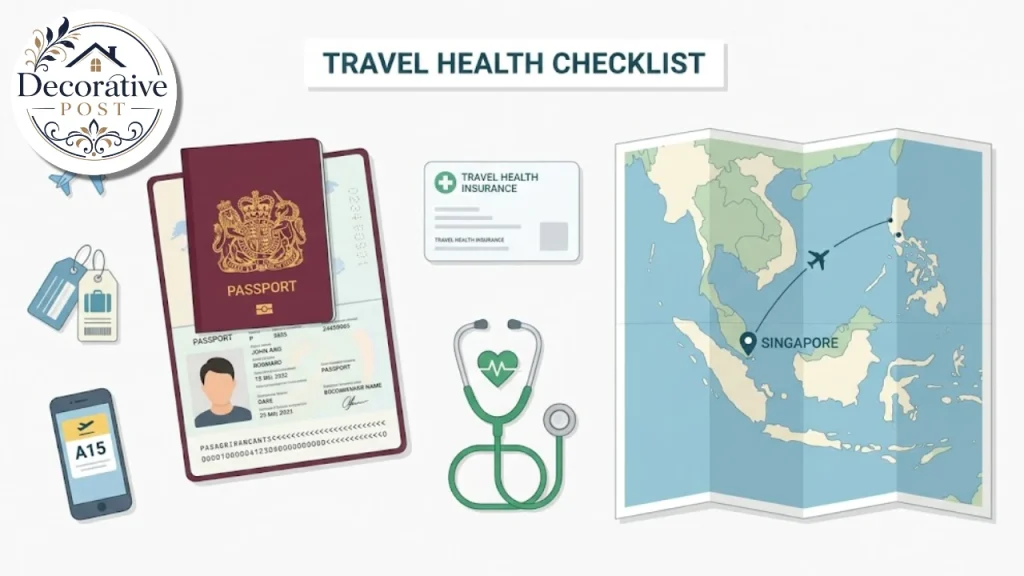
Trip insurance versus travel medical insurance
The two products overlap but do different jobs, and buying the wrong one is common.
Trip insurance, also called comprehensive or package cover, mainly protects your money. It reimburses non-refundable costs if you cancel or interrupt the trip for a covered reason, and it often includes medical benefits too.
Medical insurance travel plans protect your health costs. They pay for emergency treatment and evacuation, and they usually do not cover trip cancellation.
Cost reflects that. Squaremouth data cited by NerdWallet shows travellers averaged $414 for comprehensive coverage and $92 for medical-only coverage over a twelve-month period. Comprehensive plans typically cost 4 to 10 percent of the insured trip cost, per that source.
| Comprehensive trip insurance | Medical-only plan | |
|---|---|---|
| Main purpose | Reimburses trip costs, plus some medical | Pays emergency medical and evacuation |
| Typical cost | About 4% to 10% of trip cost | Often a few dollars a day |
| Trip cancellation | Yes, for covered reasons | Generally no |
| Medical limits | Often modest | Often higher, up to $2,000,000 |
If you already have a refundable trip and strong health cover, a medical-only plan may be enough. If you have paid for flights and hotels you cannot get back, a comprehensive plan may protect more.
What it costs and what changes the price
Prices vary, so compare quotes rather than relying on averages.
A comparison site reports medical-only plans averaging about $5 per day, and says its users spent an average of $87 per policy on trips of about 17 days. It adds that comparing providers can bring the price down to $1 per day.
Another source puts travel medical insurance at about 7 percent of trip cost, for example about $140 for a $2,000 trip. A third gives an average near 6 percent, and says travellers over 60 may pay roughly 11 to 18 percent.
The factors that move price include age, trip length, number of travellers, destination, coverage limits and deductible. One comparison notes that most standard travel medical policies have no deductible by default, while annual multi-trip policies more often do.
Adding a deductible can lower the premium. Raising the limits raises it.
Age is the factor that surprises people. Premiums rise with age, and annual plans for older travellers can cost much more than single-trip cover.
How much cover to buy
There is no single right number, but some benchmarks help.
One comparison suggests at least $100,000 of emergency medical and $200,000 of evacuation for international trips, with limits available from $50,000 to $2,000,000. For cruises,es it suggests $100,000 and $250,000, and for remote or adventure trips $100,000 and $500,000 of evacuation.
The same site gives a lower baseline elsewhere, at least $50,000 emergency medical and $100,000 evacuation and repatriation for most trips. Its advice is inconsistent, so treat these as ranges.
Evacuation is where limits matter most. The Centers for Disease Control and Prevention estimate evacuation at $10,000 to over $250,000, and the State Department says repatriation can exceed $250,000. A motoring association cites $20,000 to $200,000 depending on location.
If you are going somewhere remote, or to a country with limited medical facilities, choose a higher evacuation limit.
Pre-existing conditions
This is the clause that decides many claims, so read it carefully.
A pre-existing condition is generally an illness or injury you had, or were treated for, before the policy started. Most policies exclude them, or limit coverage to a defined look-back period.
An AAA guide lists chronic conditions that policies commonly exclude: diabetes, heart disease, asthma, high blood pressure, arthritis, active cancer, pregnancy, and mental illness. Check each policy’s own definition.
A waiver can change that. Some insurers waive the exclusion if you buy within a short window of your first trip payment. The AAA guide says 14 to 30 days, and one comparison says a particular plan waives it within 15 days of the initial trip payment.
Without the waiver, the insurer may review your recent medical history and deny a claim. Ask about the waiver before you buy, and buy early.
Waiver rules usually have conditions. They may require you to insure the full cost of the trip, to be medically able to travel when you buy, and to buy comprehensive rather than medical-only cover.
Credit card cover is not a safe substitute. One source warns that card medical coverage does not always include pre-existing conditions, and that limits can be low, such as $2,500 on one premium card.
Be accurate on the application. A claim can be denied if you left out a relevant condition.
Other exclusions to check
Pre-existing conditions are not the only limit. Read the exclusions page of the policy before you pay.
Adventure activities are a common one. The AAA guide says skydiving, bungee jumping, marathons, or strenuous hikes may need a policy that specifically covers them. NerdWallet says many plans exclude activities like skydiving and parasailing, and competition in organised sporting events.
Intoxication and illegal drug use are generally excluded. An injury that happens while you are over the limit may not be paid.
Pandemics may be excluded in some policies. Check how a policy treats an outbreak, because the wording differs.
Travel to a country under a “Level 4: Do Not Travel” advisory is often excluded for U.S. citizens, per NerdWallet. If your destination carries a high advisory, ask before you buy.
Routine and non-emergency care is not covered. A check-up, ongoing treatment, or elective surgery is outside a travel plan.
Finally, some policies exclude travel against medical advice. If your doctor says not to travel, a claim may be refused.
Primary or secondary cover
This choice affects how claims work, and it is easy to overlook.
Primary cover pays first. You claim from the travel insurer without going through your home insurer, which is simpler and includes the insurer’s 24-hour assistance. It usually costs more.
Secondary cover pays only what your other insurance does not. You file with your home insurer first, and may need its refusal notice to support the travel claim.
For travel abroad, where your home plan may pay nothing, secondary cover can add delay and paperwork. Primary cover is easier when you are ill in another country.
Ask also how the insurer pays. Sometimes it pays the provider directly, and sometimes you pay and claim later. A guide notes that medical emergency payments are generally made by you and then reimbursed.
When to buy
Timing affects cover more than most people expect.
Buy medical insurance travel cover soon after you pay for the trip, ideally the same day. That is when waiver windows run, and early cover also protects you if you need to cancel for a covered medical reason.
Do not leave it to the airport. Late buyers lose waiver rights and have less time to read the terms and ask questions. Some benefits require you to buy before a certain date, and cancel-for-any-reason cover has strict time limits.
Single-trip plans are bought per trip. Multi-trip or annual plans suit people who travel more than once a year, and one source notes they may require U.S. health insurance and cost more with age.
Check whether the plan starts on a set date and whether coverage includes the journey to the airport.
How to compare policies
A short checklist keeps the comparison honest.
Emergency medical limit. Is it high enough for the destination?
Evacuation and repatriation limit. Is it separate, and does it match your risk?
Pre-existing conditions. Is there a waiver, and what does it require?
Primary or secondary. Which applies?
Exclusions. Do they cover your activities and destination?
Deductible. Is there one, and how does it affect price?
Direct payment. Will the insurer pay the hospital, or must you pay first?
Assistance line. Is there a 24-hour number, and does it work from your destination?
Claims process. What documents do you need?
Compare quotes on a comparison site, then read the actual policy document of the plan you prefer, because medical insurance travel wording differs between insurers. A short summary page is not the contract, and the full document is.
Check the insurer too. Look for a long-established underwriter and clear contact details.

Special cases worth a closer look
Some trips need more than a standard plan. Check these before you buy.
Cruises. Ships have limited medical facilities, and evacuation at sea can be costly. One comparison suggests at least $100,000 of emergency medical and $250,000 of evacuation for cruises. Check whether the plan covers the ship’s own medical centre fees.
Remote or adventure trips. Trekking, diving and winter sports often need a policy that names the activity. The same comparison suggests $500,000 of evacuation for remote travel.
Older travellers. Premiums rise with age, and pre-existing conditions become more common. A consumer finance source notes that coverage for pre-existing conditions can be harder to get after age 75, so ask how a policy handles them.
Families and groups. Some plans cover children for free or at a reduced rate when travelling with a covered adult. Check the plan’s wording on age limits.
Long stays and students. A trip of several months, or study abroad, may need a longer-term plan. Standard single-trip policies have a maximum length.
Visitors to the United States. Travellers coming to the U.S. face high hospital prices, so many choose coverage with a high medical limit. A plan built for visitors differs from one built for Americans going abroad.
In each case, a good medical insurance travel plan names your situation in its wording. If it is silent, ask the insurer in writing.
What to do if you need care abroad
A plan only helps if you use it correctly. Do these things in order.
Call the insurer’s emergency line first, if you can. NerdWallet’s guide says to contact your insurer for guidance, and Progressive’s says to call the provider before receiving treatment or a medical evacuation. If that is not possible, call as soon as you can.
Follow the insurer’s instructions. The AAA guide warns that failing to follow them, or missing paperwork, can lead to a denied claim.
Keep everything. Save bills, receipts, discharge papers, prescriptions, and a record of who you spoke to. Ask for copies of your medical records before you leave the facility, because getting them from abroad later can be difficult.
Carry your policy number and the 24-hour number at all times. Store them on your phone and on paper.
If a hospital asks for a guarantee of payment, call the assistance line. The insurer may arrange direct payment.
Preparing before you leave
Insurance is one part of a healthy trip. Some preparation costs nothing.
See your doctor six to eight weeks before travel, as the State Department suggests, and ask about vaccines and medications for your route.
Bring enough prescription medicine for the whole trip, plus extra, in the original packaging. A doctor’s letter can help at borders.
Enrol in the State Department’s Smart Traveler Enrollment Program if you are a U.S. citizen. It helps embassies reach you in an emergency.
Check your current health plan. Call your insurer to confirm what it covers abroad, the dollar limits, whom to call, and how bills are paid.
Share your itinerary and policy details with a family member.
Before you leave home: protect the house too
A long trip leaves your home unattended, and a small fault can become an expensive one while you are away. A few checks take an afternoon and pair well with your travel preparation.
If you have air conditioning or heating, have it serviced before a long absence. The air tech guide explains what a technician checks and what to ask. Set the thermostat to a safe setting, and the BTU guide explains why an oversized or poorly set system wastes energy and leaves air damp.
Damp is the real risk when no one is home. A shut-up bathroom can grow mould within weeks, and the shower mould guide covers cleaning and ventilation to prevent it.
Look at the basement or crawl space too. A house on piers has its own moisture rules, covered in the pier and beam foundation guide. A slow leak under the house, or a sump pump that fails, does the most damage when nobody notices. The basement guide explains water and moisture checks.
Turn off the washer’s water supply and empty the machine. The washer-dryer guide covers the appliance and its maintenance, including how ventless units handle moisture.
Ask someone to visit while you are away. A friend or house sitter can check for leaks, clear mail, and keep the home looking lived in.
If you are publishing this article on a site that is not about the home, remove this section and its links.
Common mistakes
Assuming your health plan or Medicare will pay abroad is the biggest.
Buying only trip cancellation cover and expecting it to pay large medical bills is the second. Check the medical limits.
Buying late and missing the pre-existing condition waiver window is the third.
Choosing the lowest evacuation limit to save a few dollars is the fourth.
Ignoring exclusions for adventure activities is the fifth.
Not carrying the policy number and the assistance line is the sixth.
Not telling the insurer before treatment is the last. Some claims are reduced or denied for it.
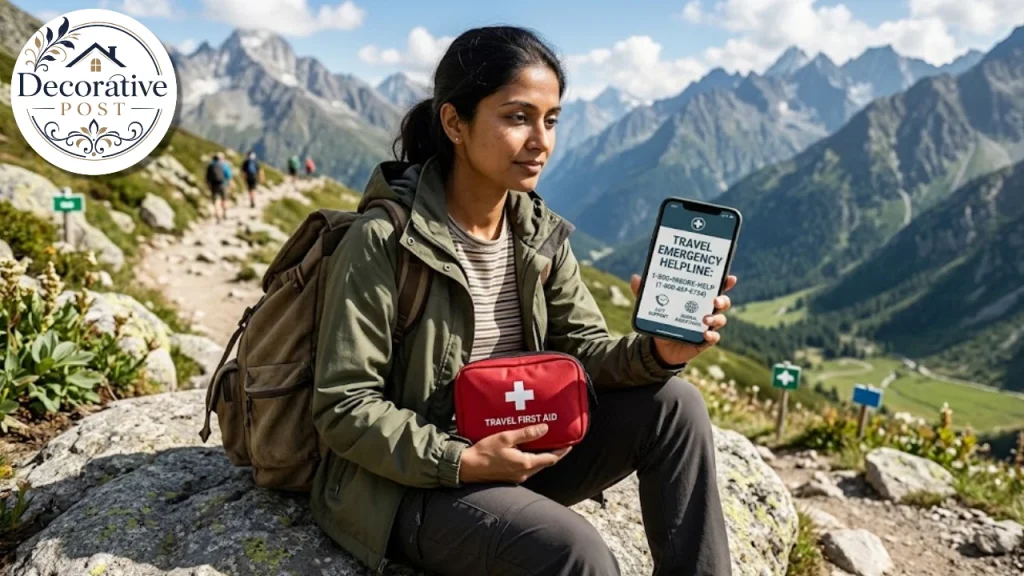
What to take from it
Medical insurance travel cover is one of the cheaper parts of a trip and one of the most valuable if something goes wrong. A modest premium can stand between you and a bill worth tens of thousands.
Check your current cover first. Then match the plan to your trip, your health and your activities, and buy early enough to qualify for any pre-existing condition waiver.
Read the exclusions, keep the emergency number to hand, and call the insurer before treatment when you can. With those habits, medical insurance travel cover does its job.
FAQs:
Does my health insurance cover me when I travel abroad?
Usually not. The State Department says Medicare, Medicaid, and most private plans do not cover medical expenses overseas. Check with your insurer about any limited overseas benefits.
Does Medicare cover me outside the United States?
Original Medicare generally does not, apart from narrow exceptions. Some Medigap plans include a foreign emergency benefit, and a few Medicare Advantage plans add limitedcoverager.
How much does travel medical insurance cost?
Sources give about 7 percent of trip cost, about 6 percent on average, or roughly $5 a day for medical-only plans. Travellers over 60 may pay more.
What does travel medical insurance cover?
Emergency medical treatment, medical evacuation, repatriation of remains, and 24-hour assistance. It does not cover routine care or, usually, trip cancellation.
Are pre-existing conditions covered?
Often excluded. Some plans waive the exclusion if you buy within a short window, such as 14 to 30 days, of your first trip payment, and meet other conditions.
How much medical evacuation cover do I need?
Comparison sites suggest at least $100,000 to $200,000 for international trips and more for remote travel. Evacuation can cost $10,000 to over $250,000.
What is the difference between trip insurance and travel medical insurance?
Trip insurance mainly reimburses trip costs, with some medical benefits. Travel medical insurance focuses on emergency treatment and evacuation.
Is primary or secondary cover better?
Primary cover pays first and is simpler to claim, but it costs more. Secondary cover pays after your other insurance.
What should I do if I need treatment abroad?
Call the insurer’s emergency line first if you can, follow its instructions, and keep all bills and records.